In an environment in which two belligerents compete, the chances of success greatly diminish if those whose actions are necessary lack faith in the justness of the cause or its chance for success or are discouraged, morally defeated, disconsolate, antagonistic, sullen, inattentive, or lazy.[1]: 88 Demoralization can be used to lessen the chances of success for an opponent by fostering these attitudes, and it can generally be done in one of two ways: demoralization through objective conditions or demoralization through perception.[2]: 8–9
Demoralization through objective conditions most commonly takes the form of a military defeat on the battlefield that has tangible consequences directly resulting in the indicators of a demoralized party, but it can also result from an adverse physical environment where basic needs go unmet.[2]: 8
Demoralization through perception, however, is the most commonly referred to means of demoralization even though its operation and results like political warfare and psychological warfare in general, are the most difficult to gauge.[4] That is the form of demoralization that is referred to as a tool of psychological warfare, and it is most commonly implemented through various forms of propaganda.[2]: 8 Propaganda as a tool of demoralization refers to influencing opinion through significant symbols, through means such as rumors, stories, pictures, reports, and other means of social communication.[2]: 9 Other means of political and psychological warfare, such as deception, disinformation, agents of influence, or forgeries, may also be used to destroy morale through psychological means so that belligerents start questioning the validity of their beliefs and actions.[3]: xiii
Sowing seeds of doubt and anxiety
Causing self-doubt or doubt in a cause is the simple definition most commonly ascribed to demoralization.[3]: 189 It is one aspect of a successful strategic demoralization campaign but is the most pronounced and essential part.[2]: 164 Lasswell stated, "the keynote in the preliminary spade work is the unceasing refrain: Your cause is hopeless. Your blood is spilt in vain."[2]: 164 Propaganda can be an indispensable tool in fostering an environment of doubt and anxiety.[1]: 89–90
Propaganda may be used to ensure the antagonist is the most feared party, give a feeling of nonworth to the target, exploit internal fissures inherent within the target group or use the element of surprise to show a target population that their leadership and cause are unable to protect them from the impending enemy threat.[1]: 89–90
Many studies have been conducted that indicate fear is one of the most widespread psychological traits, and that trait can be manipulated for the purposes of demoralization if it can be expanded into anxiety.[3]: 153 For anxiety to demoralize, it must result in a distancing of individuals or groups from their cause or leadership because they no longer believe them capable of offering a solution to the source of their anxiety.[3]: 153 Real and conscious threats that normally inspire disquiet and fear can be made to cause anxiety and borderline neurosis through the use of such propaganda tools as fables and rumors.[3]: 153–155
Using multiple tools of political warfare, such as deception, disinformation, agents of influence, or forgeries, can expedite the onset of anxiety by overwhelming the target with a constant onslaught of information that the current cause or leadership is incapable of relieving the anxiety now felt.[3]: 153–155 That anxiety cannot be calmed through a rational explanation of facts and is exacerbated by such an approach.[3]: 153–155 The newly-onset anxiety places mass groups of individuals on the border of neurosis and can make them feel conflicts inherent within society or their past.[3]: 153–155
As a result of contradictions and threats, "man feels accused, guilty".[3]: 155 The target will then begin their search for a cause that will provide a sense of righteousness.[3]: 153–155 The pivotal moment of a successful demoralization campaign is when the target is doubt-ridden and anxious, the point at which individual members of a citizenry or group are detached from their current loyalty to their state or cause, and they are then able to be focused in another direction more suitable to the antagonist's needs.[2]: 163 [3]: 153–155
https://en.wikipedia.org/wiki/Demoralization_(warfare)#Psychological_warfare
Buy some votes.


She threw up bile and is twitching rght now. if i touch her stomach she cries out to me like she's saying "help me this hurts really bad".
I've never seen her be this way. She's 17 years old. She's laying down now but still twitching. I know animals try to hide their pain from their owners. No vet is open so I suppose I'll take her in the morning. I hate the idea of saying "oh do i spend money on her, or do i think hmm she's really old and getting worse'


I used to see 17 everywhere. Now I always see repeating digits. Example: I'll be playing a video game and will check how much gold I have and it's always something like 333. I see 333 ALL the time for some reason.
I have no explanation for it.
Then the usual stuff like 11:11 when looking at the clock.
It's like my subconscious mind is keeping track of repeating digits and telling me to look when it occurs.
Welp, she's being questioned by authorities now.

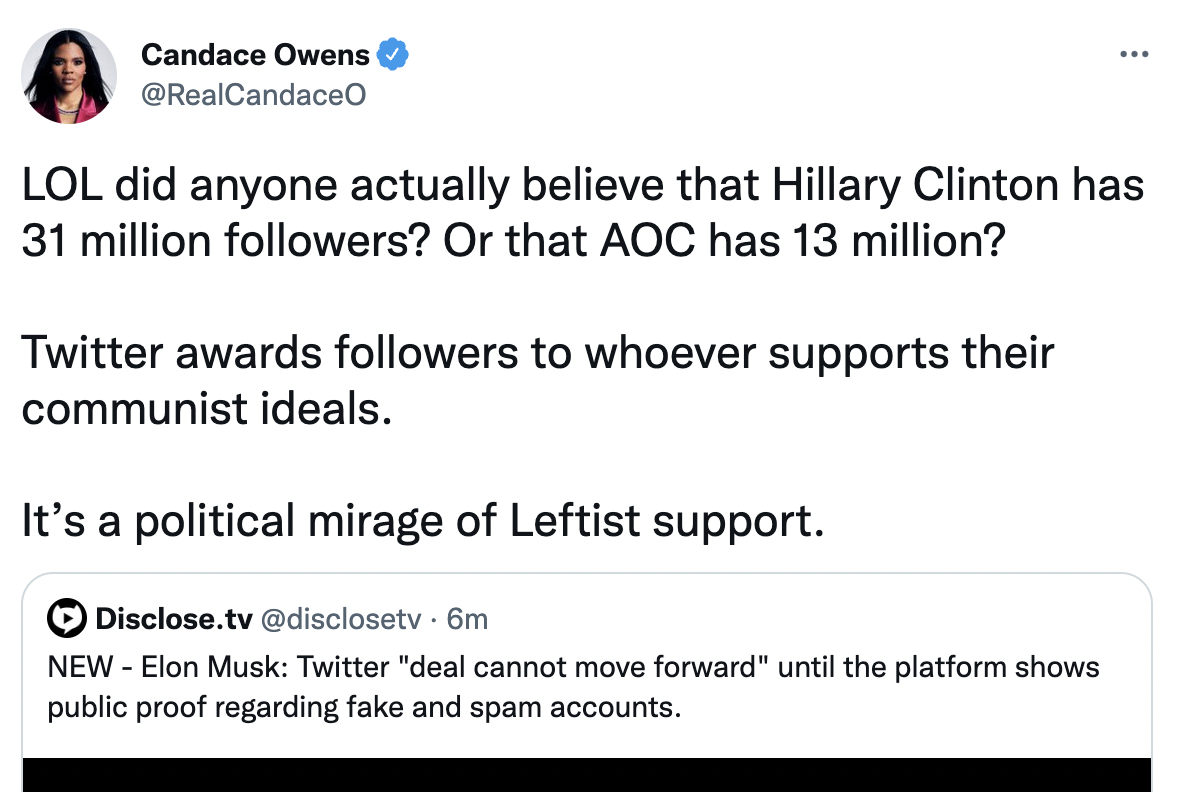

I was watching Faux News last night (Greg Gutfield show) and Kudlow started saying how great Ukraine was. I turned it off at that point and started thinking when has both leftist leaning and right leaning media agreed on the same thing? Almost every topic is to divide us. However regarding Ukraine/Russia, they all hate Russia and think attacking Ukraine is like attacking the U.S.
Yeah, I know, they are controlled opposition. But have both sides always agreed on other wars?