The biblical requirement that a pastor (or elder/overseer) should be a married man is derived primarily from 1 Timothy 3:1–7 and Titus 1:5–9, where the Apostle Paul lays out the qualifications for church leadership. The key phrase in both passages is:
“the husband of one wife” (Greek: mias gunaikos andra), literally translated, a one-woman man.
Key Passages
1 Timothy 3:2 (ESV)
"Therefore an overseer must be above reproach, the husband of one wife, sober-minded, self-controlled, respectable, hospitable, able to teach..."
Titus 1:6 (ESV)
"If anyone is above reproach, the husband of one wife, and his children are believers and not open to the charge of debauchery or insubordination."
Understanding the Phrase “Husband of One Wife”
This phrase has historically been interpreted in line with biblical principles as meaning:
A man (since the word “husband” is male-specific in both Greek and English).
Monogamous (not a polygamist).
Sexually and relationally faithful (a "one-woman man" — not given to sexual sin).
Currently married in most traditional interpretations, especially within the classical Reformed or conservative evangelical traditions.
Why Marriage Is Often Seen as a Requirement
Pattern of Leadership Begins at Home
Paul continues in 1 Timothy 3:4–5:
"He must manage his own household well... for if someone does not know how to manage his own household, how will he care for God's church?"
A man demonstrates his leadership, love, and discipline within the family — the basic training ground for shepherding the church.
Typological Fulfillment of Christ’s Role
A pastor stands as an under-shepherd of Christ, who is described as the Bridegroom of the Church (Ephesians 5:25–32). Therefore, being a husband pictures this reality in a tangible way.
General Equity of the Law
Under the Mosaic law, priests and Levites were typically married and expected to raise godly offspring (Malachi 2:15). The principle carries forward: the office of spiritual leadership is deeply tied to covenantal faithfulness, especially in the home.
Can a Pastor Be Unmarried?
While Paul and Jesus were unmarried, they were not local pastors of congregations in the ordinary sense. Paul makes room for singleness in 1 Corinthians 7, but when it comes to appointing elders/pastors over a local flock, the pastoral epistles focus on married men with well-managed households as the model.
Conclusion
The clear normative standard is that he should be a godly, married man, faithful to one wife, with believing children, and proven leadership in his home. This reflects the divine pattern of covenantal headship and Christ-like shepherding.

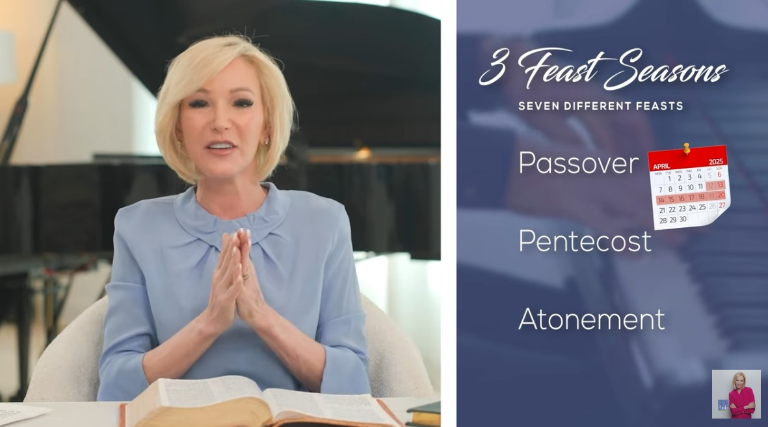
She calls herself a pastor.. That's a Red flag from jump street.
Exactly. That should make every Christian that remotely knows their Bible know to stay away.
Pastors must be married MEN. (1 Timothy 3:1–7 and Titus 1:5–9)
Women can't even be elders much less pastors.
Wait. He has to be married? This is the first I'm hearing this.
I assume allowance can be made for widowers and such, but still.
The biblical requirement that a pastor (or elder/overseer) should be a married man is derived primarily from 1 Timothy 3:1–7 and Titus 1:5–9, where the Apostle Paul lays out the qualifications for church leadership. The key phrase in both passages is:
Key Passages
1 Timothy 3:2 (ESV)
Titus 1:6 (ESV)
Understanding the Phrase “Husband of One Wife”
This phrase has historically been interpreted in line with biblical principles as meaning:
A man (since the word “husband” is male-specific in both Greek and English).
Monogamous (not a polygamist).
Sexually and relationally faithful (a "one-woman man" — not given to sexual sin).
Currently married in most traditional interpretations, especially within the classical Reformed or conservative evangelical traditions.
Why Marriage Is Often Seen as a Requirement
A man demonstrates his leadership, love, and discipline within the family — the basic training ground for shepherding the church.
Typological Fulfillment of Christ’s Role A pastor stands as an under-shepherd of Christ, who is described as the Bridegroom of the Church (Ephesians 5:25–32). Therefore, being a husband pictures this reality in a tangible way.
General Equity of the Law Under the Mosaic law, priests and Levites were typically married and expected to raise godly offspring (Malachi 2:15). The principle carries forward: the office of spiritual leadership is deeply tied to covenantal faithfulness, especially in the home.
Can a Pastor Be Unmarried?
While Paul and Jesus were unmarried, they were not local pastors of congregations in the ordinary sense. Paul makes room for singleness in 1 Corinthians 7, but when it comes to appointing elders/pastors over a local flock, the pastoral epistles focus on married men with well-managed households as the model.
Conclusion
The clear normative standard is that he should be a godly, married man, faithful to one wife, with believing children, and proven leadership in his home. This reflects the divine pattern of covenantal headship and Christ-like shepherding.
Fair enough, but I can't help but think of someone who's got a gift for public speaking, yet can't find a significant other that sticks.
But I can't argue against God's Word, can I?
Exactly this.👆