The trick is this. Schneersohn never claimed to be Messiah because he knew it was the Messiah's job not to claim it for himself! He aspired to be the final Rebbe and final Messiah but, as he told Netanyahu, all one can do is hasten every moment to do what is fitting for the Messiah being revealed. This required his sect to quietly permit two competing views, one that he is now the final Messiah (which is good because it makes them come to grips with how Messiah may come from the dead according to Talmudic tradition); and one that he is not yet the final Messiah (which is good because they still demand Messiah be revealed immediately). In keeping with Schneersohn's Talmudic view that "this and this" are both God's words, these coexist and must find the harmony (for instance, there is no problem saying Schneersohn was "the Messiah for his generation" as David and Hezekiah were).
Therefore when the Lubavitchers sing "Our very eyes will see the Rebbe King Moshiach walking into shul", they can be encouraged to work out the harmony of their views for themselves. The whole offense of OP, and of the Lubavitchers separately, is not usually their slogans but those who specifically identify which Messiah we're talking about. The point of Messiah is for people to recognize and accept him of their own freewill without any pressure or influence from outside of themselves: and when they realize they have, they will also realize it was a new birth event that both came naturally by their responses and was brought about wholly by another. You like "not either/or but both/and", right?
Sanhedrin 98a:16: Said to: When Messiah come? Said to him: Go ask him. And where is he sitting? At the entrance of Rome. And what is his sign? He sits among the poor who suffer from illnesses. And all of them untie and tie at once, unties one and ties one. He says: Perhaps I will be needed that I will not be delayed.
Sanhedrin 98b:13-15: Messiah .... Rav Nahman says: If is among the living such as me, as it is stated: “And their prince shall be of themselves, and their governor shall proceed from their midst”. Rav says: If is among the living such as our saintly Rabbi. If is among the dead such as Daniel, the beloved man.
There are standard implications read into these clauses, for instance the river for washing the wounds is mentioned earlier on the page, and the Messiah's practice is implied as being not to untie all his bandages at once.

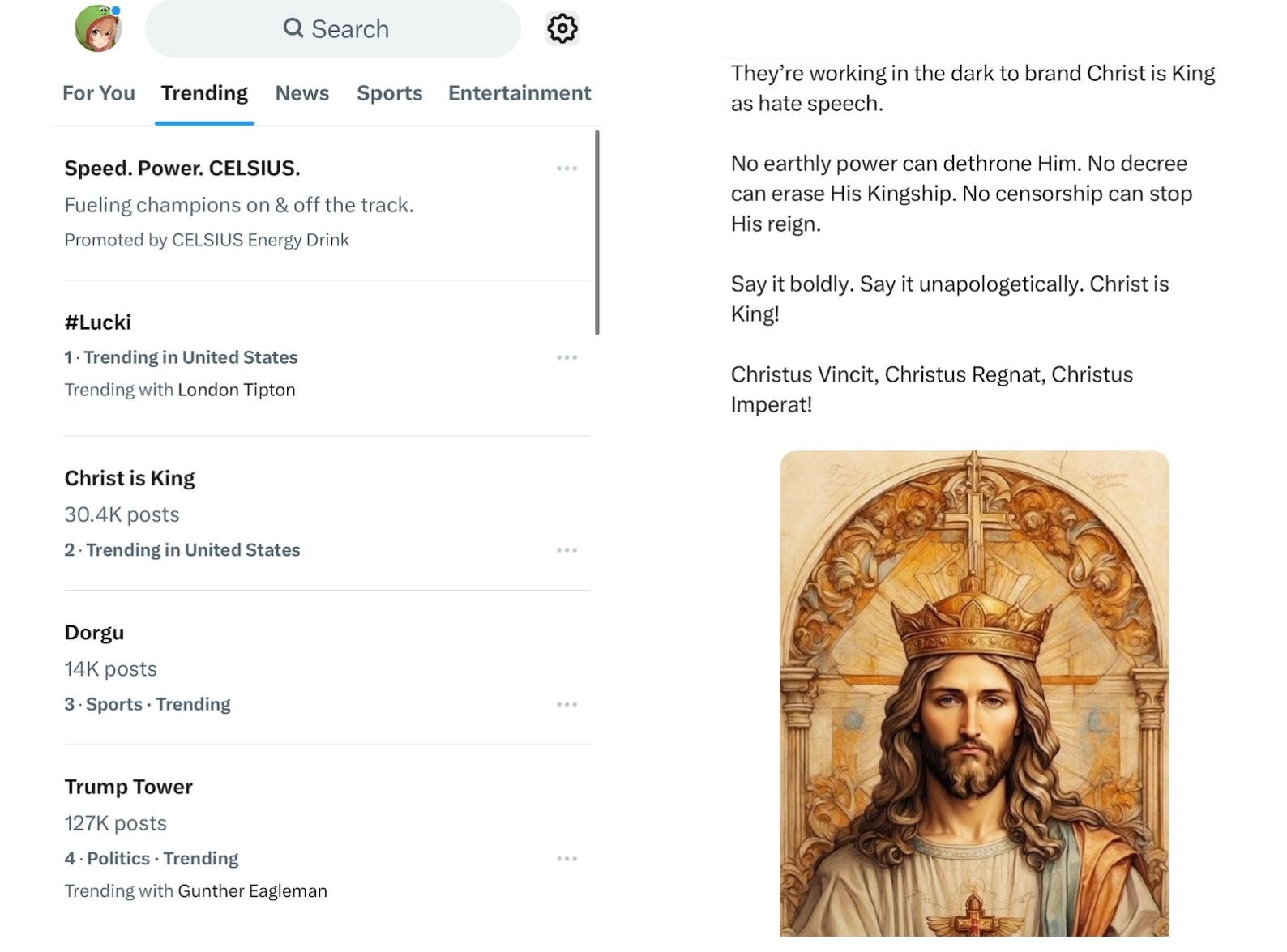

Sauce on the Lubavitchers, please?
Sure. Wikipedia "Chabad messianism" cites this report about a 2002 Lubavitcher songbook for instance.
The trick is this. Schneersohn never claimed to be Messiah because he knew it was the Messiah's job not to claim it for himself! He aspired to be the final Rebbe and final Messiah but, as he told Netanyahu, all one can do is hasten every moment to do what is fitting for the Messiah being revealed. This required his sect to quietly permit two competing views, one that he is now the final Messiah (which is good because it makes them come to grips with how Messiah may come from the dead according to Talmudic tradition); and one that he is not yet the final Messiah (which is good because they still demand Messiah be revealed immediately). In keeping with Schneersohn's Talmudic view that "this and this" are both God's words, these coexist and must find the harmony (for instance, there is no problem saying Schneersohn was "the Messiah for his generation" as David and Hezekiah were).
Therefore when the Lubavitchers sing "Our very eyes will see the Rebbe King Moshiach walking into shul", they can be encouraged to work out the harmony of their views for themselves. The whole offense of OP, and of the Lubavitchers separately, is not usually their slogans but those who specifically identify which Messiah we're talking about. The point of Messiah is for people to recognize and accept him of their own freewill without any pressure or influence from outside of themselves: and when they realize they have, they will also realize it was a new birth event that both came naturally by their responses and was brought about wholly by another. You like "not either/or but both/and", right?
That I do! Thank you!
The Jewish traditions are:
Sanhedrin 98a:16: Said to: When Messiah come? Said to him: Go ask him. And where is he sitting? At the entrance of Rome. And what is his sign? He sits among the poor who suffer from illnesses. And all of them untie and tie at once, unties one and ties one. He says: Perhaps I will be needed that I will not be delayed.
Sanhedrin 98b:13-15: Messiah .... Rav Nahman says: If is among the living such as me, as it is stated: “And their prince shall be of themselves, and their governor shall proceed from their midst”. Rav says: If is among the living such as our saintly Rabbi. If is among the dead such as Daniel, the beloved man.
There are standard implications read into these clauses, for instance the river for washing the wounds is mentioned earlier on the page, and the Messiah's practice is implied as being not to untie all his bandages at once.